21 October 2026
Estimated reading time: 4 min
Damn the fruit basket
Monday arrives and there it is, at the office entrance: the fruit basket. Shiny apples, bananas, a few tangerines. Next to it, the poster for the new gym partnership, the invitation to Thursday’s mindfulness session and the meditation app paid for by the company. Everything seems to say “we care about you here”.
Then the rest of the week arrives: seven o’clock meetings, Sunday emails, targets that change without explanation, managers who do not listen, fear of mistakes and accumulated fatigue. That is when many employees think, silently or out loud: damn the fruit basket.
1. The problem is not the fruit
Let us be clear: the fruit is not to blame. Eating better, moving your body, learning to pause and breathe are practices with real benefits. Mindfulness, for example, has solid evidence for reducing stress and improving attention. The problem arises when these initiatives are used as a substitute for what actually makes people ill at work.
Psychosocial risks — overload, lack of autonomy, role conflict, perceived unfairness, toxic leadership, insecurity — are not solved with a banana at ten in the morning. Asking someone to meditate in order to tolerate conditions that wear them down treats the symptom and leaves the cause untouched.
2. When wellbeing becomes cosmetic
People quickly notice the difference between genuine care and image management. When the mindfulness session is scheduled at lunchtime so it does not “steal” working time, or when the gym is offered to people who never leave before nine at night, the implicit message is clear: wellbeing is your responsibility, as long as it does not interfere with output.
The effect may even be the opposite of what was intended. Initiatives disconnected from reality feed cynicism, reduce trust and mean that the next proposal, however well-meant, is received with suspicion. Wellbeing becomes a worn-out word.
3. Culture and climate: where it all begins
Organisational culture is what happens when nobody is watching: what is rewarded, what is tolerated, what is punished. Climate is how people experience that environment day to day — whether they can speak up, whether they are respected, whether effort makes sense.
This is where wellbeing is decided. A healthy organisation distributes workload fairly, sets clear priorities, grants autonomy, recognises work, respects rest time and creates psychological safety to disagree and make mistakes. With these conditions, the fruit basket is a kind gesture. Without them, it is decoration.
4. Starting at the top
No culture changes from the bottom up by HR decree. People watch those who lead and copy what they see, not what is written in the code of conduct. If the board sends messages at midnight, belittles holidays or praises those who never switch off, no wellbeing programme survives.
Commitment from the top is measured in decisions: including mental health in management objectives, assessing psychosocial risks with valid instruments such as COPSOQ III, training managers to recognise signs of strain, acting on the results and leading by example. Leading wellbeing means, above all, practising it.
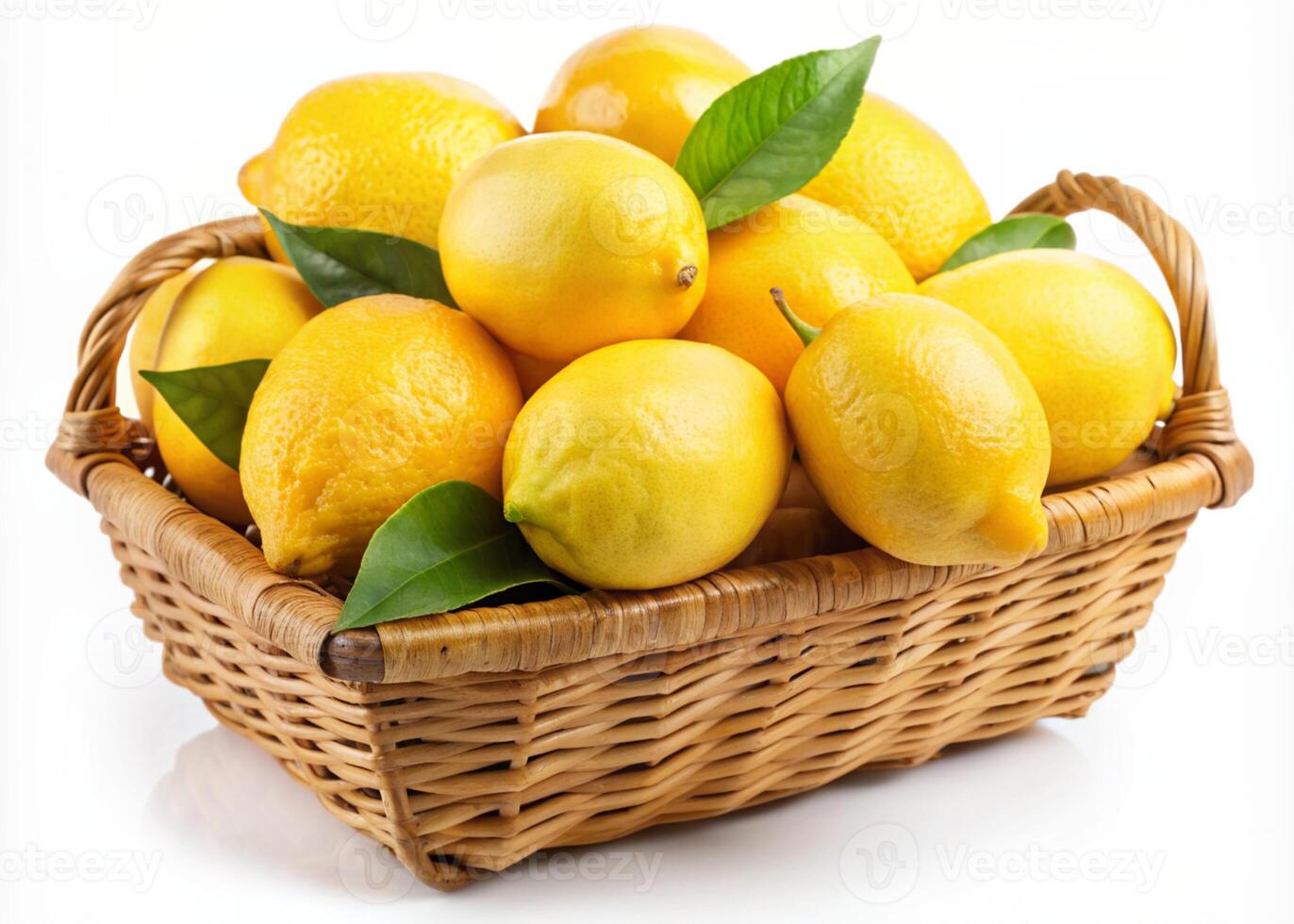
5. The basket full of lemons
When this commitment is missing, what remains is a basket full of lemons. You can try to make lemonade — another workshop, another app, another themed day — but it always comes out bitter. Not for lack of sugar, but because the main ingredient has gone bad.
And the bill arrives: absenteeism, presenteeism, burnout, talent leaving, lost creativity and reputation. The cost of neglecting culture is far greater than that of any fruit basket.
6. So what should be done?
Start by listening: diagnose, rigorously and confidentially, what really weighs on people. Then act on the causes — work organisation, workloads, priorities, leadership styles — and only then complement with individual initiatives such as mindfulness, physical activity or psychological support. Evaluate regularly and adjust.
In this order, wellbeing initiatives make sense: they stop being compensation for ill-being and become part of an environment where it is possible to work well and live better.
First the tree, then the fruit
There is no need to throw away the fruit basket. What is needed is to care for the tree it comes from: culture, climate and the way people lead. When the top of the hierarchy is truly committed, the fruit finally tastes of what it should — care.
Otherwise, however beautiful the basket, it will always be full of lemons.