15 October 2026
Backwards Series: thinking from the end
The "Backwards" series starts from a simple idea: often the most sensible path is not to move straight ahead, but to start from the end. First ask where we want to go, with what we have, and only then design the steps. Here I share seven reflections on strategy, innovation, mistakes and wellbeing at work.
A strategy only takes shape when what we say we value can be seen in what we do every day. Without that consistency, plans stay on paper: well written, but with no real effect on people or results.
Planning backwards means starting from the available resources to set realistic goals — and then improving. It is not about lowering ambition, but making it achievable, adjusting course as we learn.
Strategic vision is also about sparking desire. Creating proposals "provocative" enough that others want more — and then delivering what we had already planned as the answer from the start.
Innovation starts with those who receive our action and their real need. It is through the trust we earn and our ability to respond that we gain the legitimacy to start the disruptive processes that make us unique.
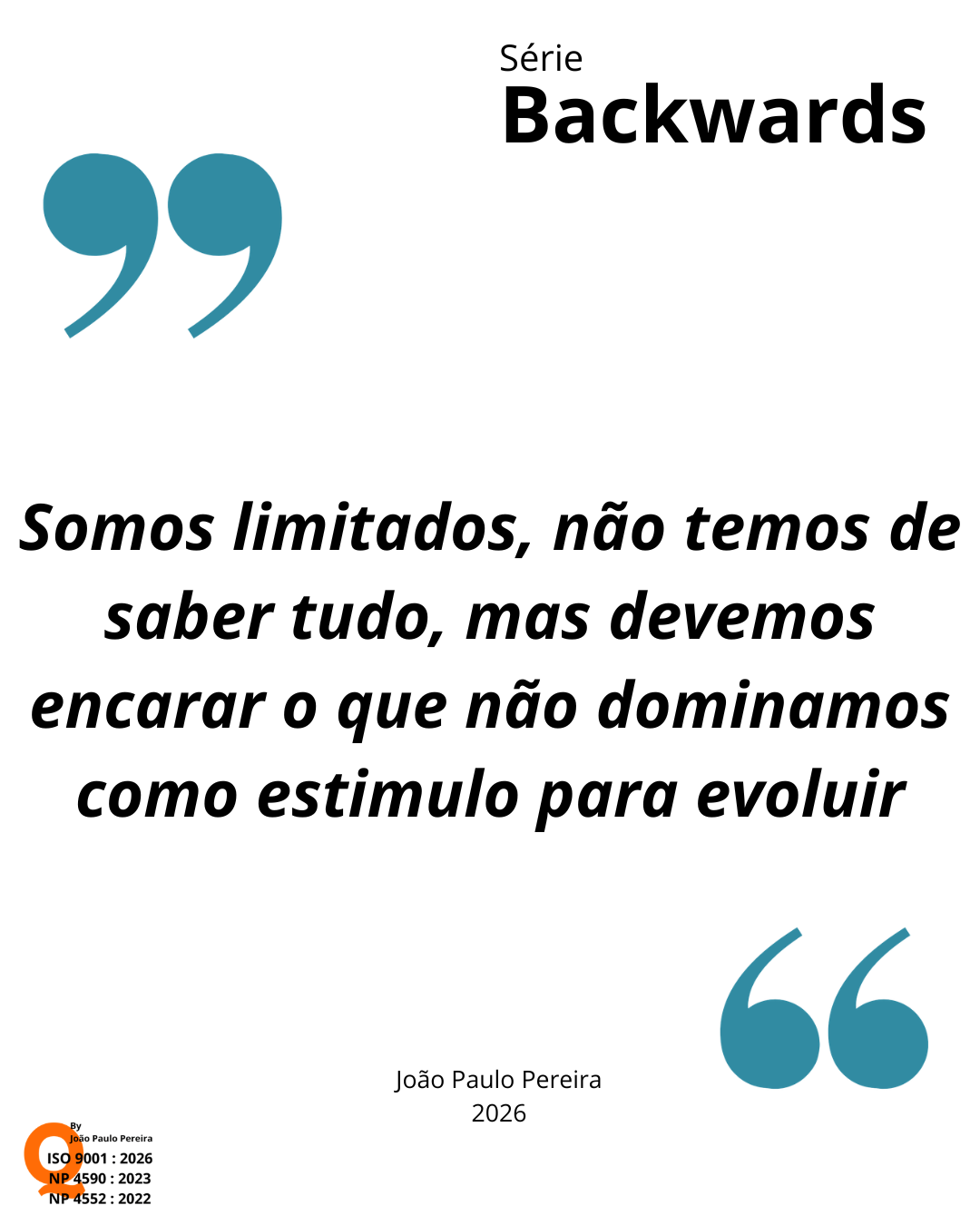
Recognising limits is a starting point, not a weakness. Nobody has to know everything; what makes the difference is seeing what we have not yet mastered as a stimulus to grow.
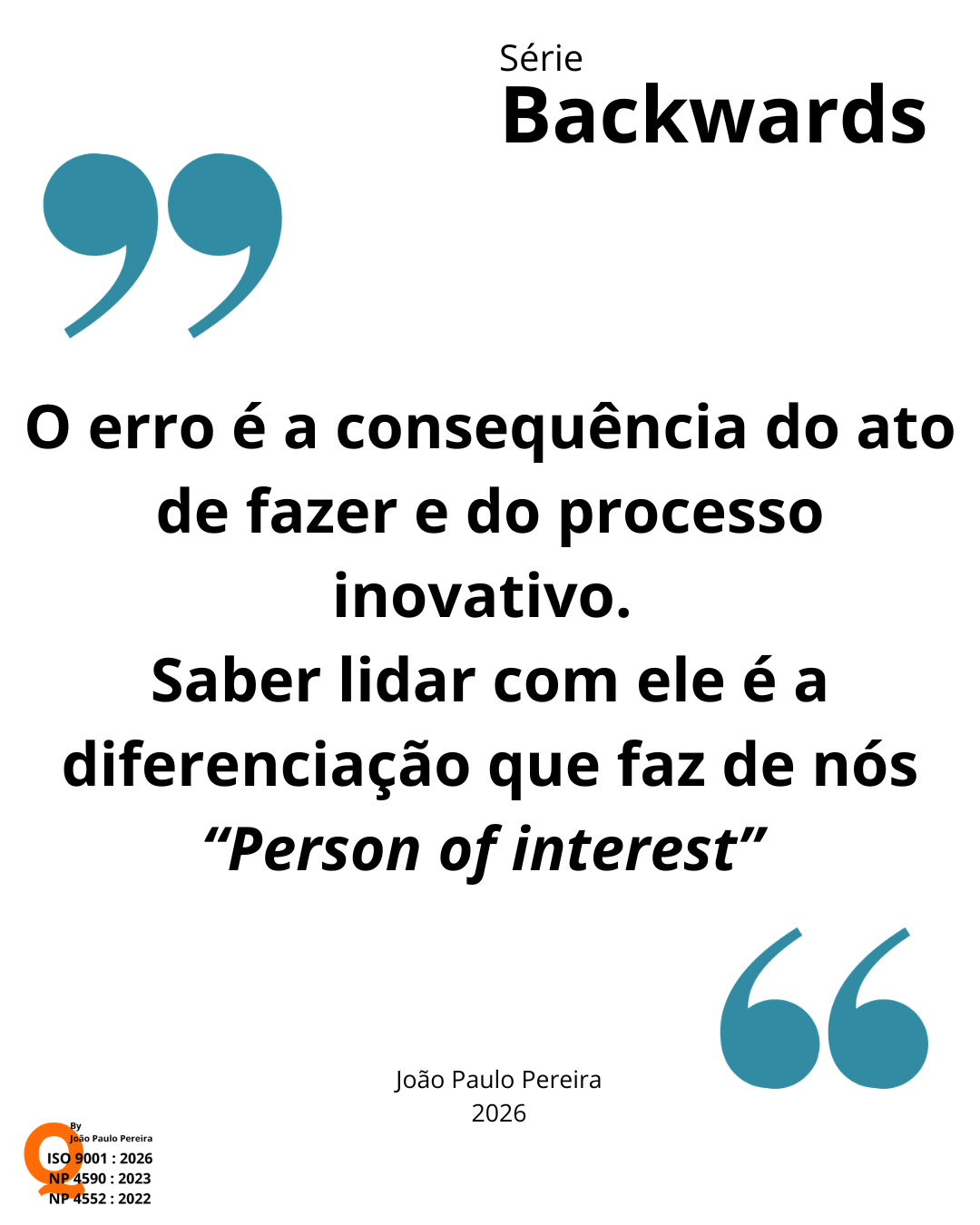
Those who do, make mistakes — and those who innovate make even more. Mistakes are a natural consequence of action. Knowing how to deal with them, learn and move on is what makes us true "Persons of interest".
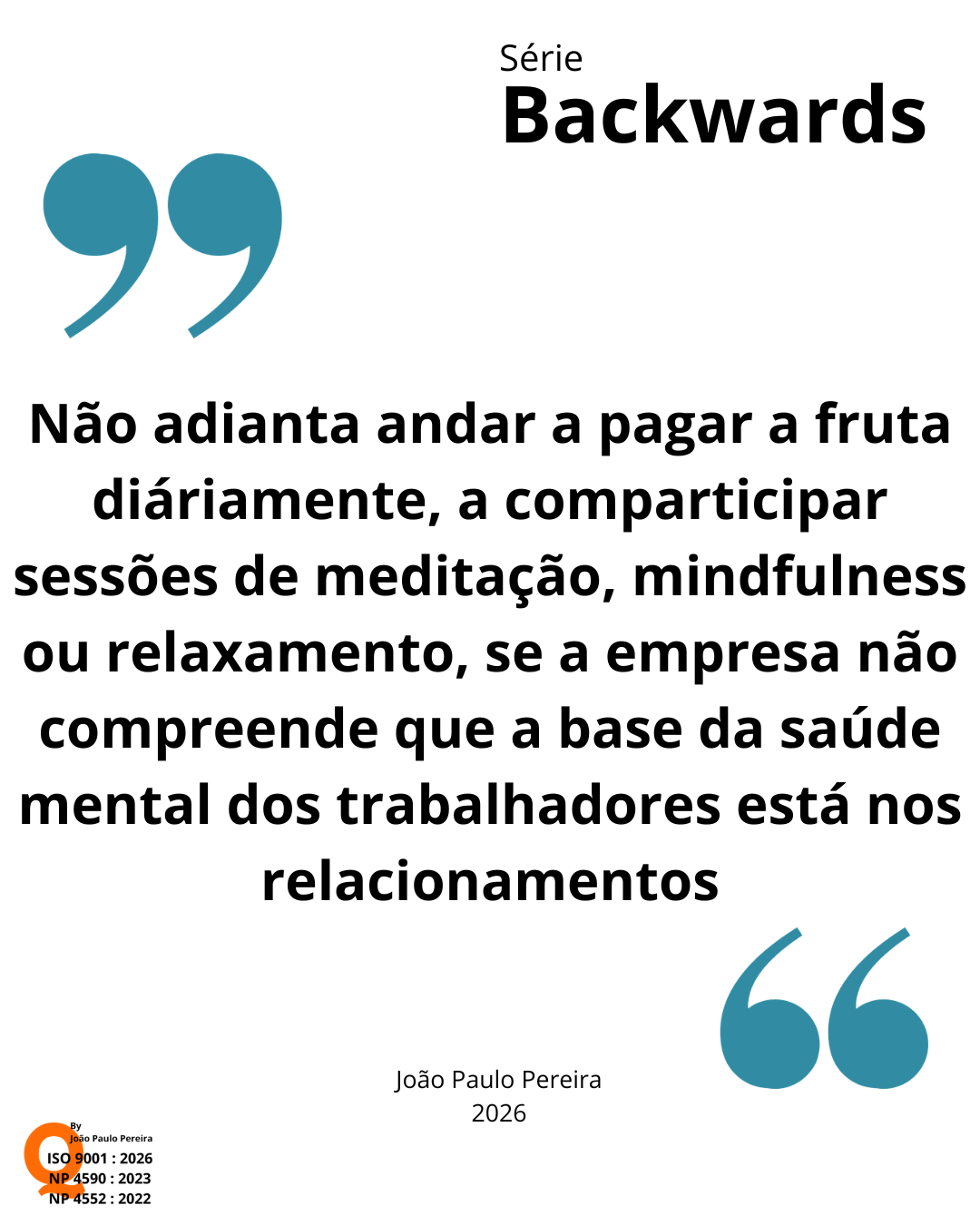
Daily fruit, meditation, mindfulness or relaxation sessions can help, but they are not enough. The foundation of workers' mental health lies in relationships: in how people are led, listened to and treated every day.
Thinking backwards is, ultimately, getting back to the essentials: consistency, people and relationships. If any of these ideas resonate with you, write to me through the contact page — I would love to continue the conversation.